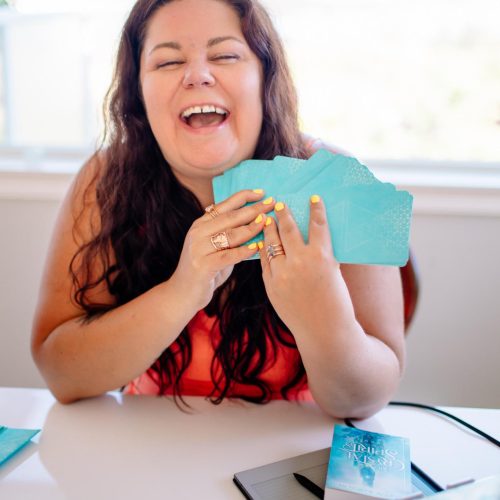
You have better instincts than you think you do.
The short version: everything below sits inside the Quantum Copy Method™, which is how a book earns every page it gets. Start there if you want the system rather than the tactic.
The reason most writing advice bounces off is that it is aimed at someone who has never told a story, and you have been telling yours out loud for years. What you are missing is a handful of specific tools and a couple of books that explain what your instincts already know.
Here is what I actually recommend, after 30 years and 200+ authors.
On craft
On Writing by Stephen King is half memoir and half toolkit, and the toolkit half is the best short course in prose I know of. Read it once for the story and once with a pen.
Bird by Bird by Anne Lamott is the one to read on the day you want to quit. Her chapter on terrible first drafts has saved more manuscripts than any software ever will.
The Elements of Style by Strunk and White is 80 pages and older than everyone reading this. It is still right about most things. Treat it as a sharpening stone rather than scripture.
On structure
Save the Cat! Writes a Novel by Jessica Brody is a fiction book that non-fiction authors quietly steal from constantly, and they are right to. Story shape is story shape.
For proposals and book architecture, Jane Friedman’s site is the single most useful free resource in publishing. Her breakdowns of how proposals actually get read are worth more than most paid courses.
Tools that earn their place
Scrivener for anything book-length. Writing 60,000 words in a single word-processor document is a choice, and not a good one.
Otter or any decent transcription tool, because most of you are far better out loud than you are on a keyboard. Talk the chapter. Clean it up afterwards.
Hemingway Editor as a diagnostic, never as a boss. It is excellent at showing you where a sentence has gone soft. It is terrible at understanding voice, so ignore roughly a third of what it tells you.
Knowing what is actually happening
Publishers Weekly and Writer’s Digest for the industry. The Chicago Manual of Style when you need to settle an argument about a comma, which you eventually will.
That is the whole list. I could give you 50 and it would help you less. The real bottleneck was always that nobody was waiting for your pages.
Fix that part and the rest is reading.
Your Next Fave Read
- How to write a book when you have no time
- The book proposal guide
- Traditional, self- or hybrid publishing in 2026
Ready to get your wisdom into the world, however you write it? Book a free validation call. I’ll figure out the right approach, coaching, ghostwriting or collaboration, for your specific book and your specific goals. writewordmagic.com