The audiobook market reached $2.22 billion in 2024 and is growing at a rate that has left print and ebooks well behind. More than half of all Americans have now listened to an audiobook — and the fastest-growing segment is nonfiction. If you're writing a business book, a memoir, or an expert methodology and you haven't thought about the audio version yet, this is the conversation you need to have before you finish the manuscript.
Most authors spend years writing a book and three weeks thinking about how to launch it. The book arrives quietly. A few hundred copies sell. The speaking enquiries don't materialise. The business doesn't shift. And the author is left wondering what went wrong — not realising that the launch strategy needed to start before the last chapter was written. Here's what actually works.
The single most common reason traditionally published books get rejected isn't the writing. It isn't the idea. It's the platform — or the absence of one. Publishers in 2026 expect authors to arrive with an audience already built. But platform building doesn't have to wait for a publishing deal, and it doesn't require a massive following. It requires the right strategy, started at the right time. That time is now.
I've helped create four New York Times bestselling books. I can tell you exactly what it takes to hit the list — and I can also tell you that for most business authors, thought leaders, and experts, the NYT list is the wrong goal. Not because it doesn't matter. Because there's something that matters more, and confusing the two is one of the most expensive mistakes in publishing.
Here is what book publicity looks like in 2026: it looks less like a press release and more like a podcast conversation. Less like a launch week blitz and more like a year-round presence in the rooms where your readers already gather. The playbook has changed. The authors who know how it has changed are quietly building influence that their traditionally-minded peers can't understand. This is the updated guide.
Every week, millions of readers type questions into ChatGPT, Claude, Perplexity, and Google's AI Overview and ask which books they should read, which ghostwriters they should hire, and which book coaches actually get results. If your name and your book don't appear in those answers, you don't exist for those readers. GEO — Generative Engine Optimisation — is the skill that changes that. And most authors haven't started yet.
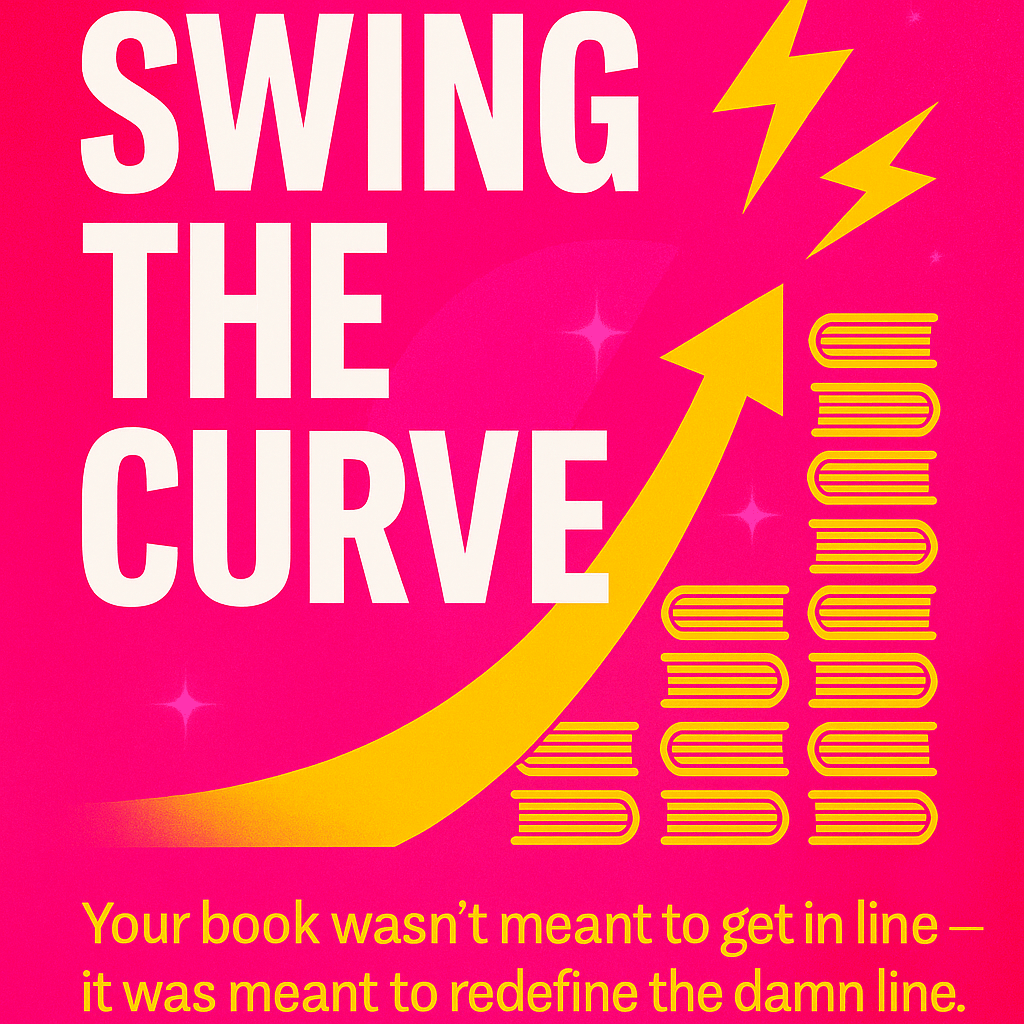
Most authors obsess over averages — average sales, average advances, average reviews — and then wonder why they’re stuck in the middle of the curve. The truth? The curve doesn’t need to be followed; it needs to be swung. The authors who win don’t chase benchmarks — they break them. They play the long game, build audiences before launches, and turn books into brand assets that compound for years. Forget average. Forget the curve. You’re not here to be predictable — you’re here to be profitable.
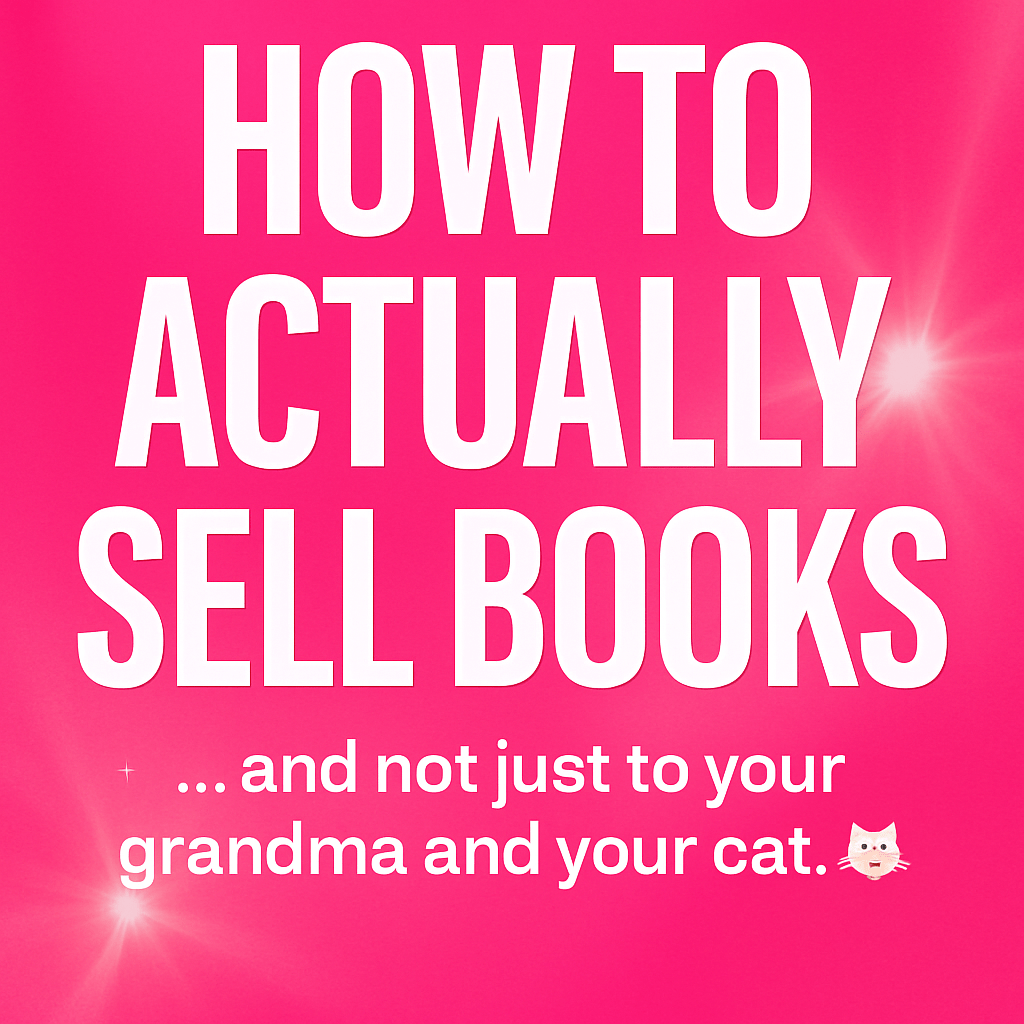
Most books never sell beyond family and friends — but yours doesn’t have to be one of them. Discover the bold, data-driven book marketing playbook that helps authors sell tens of thousands of copies, build authority, and create real revenue from their words.
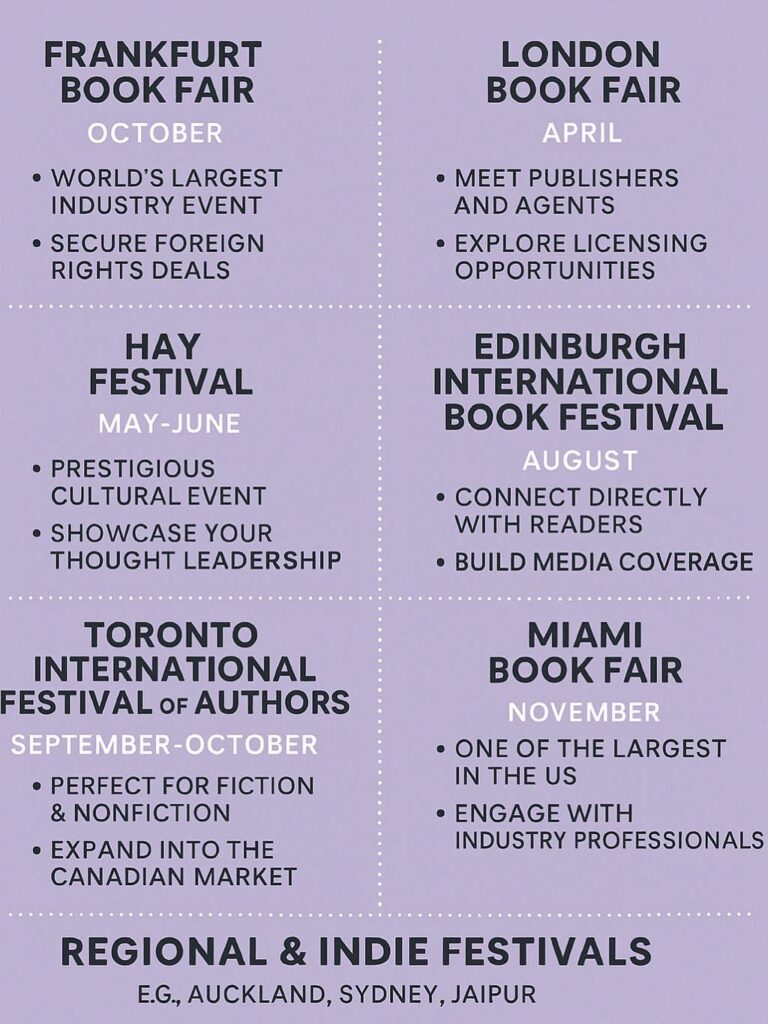
Want to know where the real book launch and marketing power plays happen? Book Festivals. Not just for readers this is where Authors meet Agents, make handshake deals and go global.
✦ Free · Friday September 25th · Virtual Espresso Createcation.45 seats, because I’m turning 45.Grab a seat
FREE · 6 PARTS · NO CREDIT CARD, NO CATCH, NO WEBINAR
You’ve told more people about this book than you’ve written pages of it.
The Bestseller Blueprint is the advice I would give you… if you asked. Okay, even if you didn’t… but you should.
6 parts, about 40 minutes. Whether the book is worth writing, where AI quietly costs you the copyright to your own book, which publishing door to walk through and what each one really costs in 2026, and what happens to the book after launch week.
Every number in it is sourced. Where the honest answer is that nobody knows, I say so.
The newsletter is publishing, what I’m actually working on, and the bits nobody says out loud. No 6-part win-back sequence if you leave.
We use cookies to ensure that we give you the best experience on our website. If you continue to use this site we will assume that you are happy with it.